
Predictive Radiation Survey
valid until: 09 Nov 2026date published: 09 Nov 2025High-voltage power lines play a crucial role in delivering electricity to homes, offices, and industries. However, they also emit electromagnetic fields (EMF) that can raise safety concerns for nearby residents, buildings, and sensitive equipment. A Predictive Radiation Survey is a powerful technique that helps identify, measure, and manage these electromagnetic emissions before they become a potential risk.
What is a Predictive Radiation Survey?
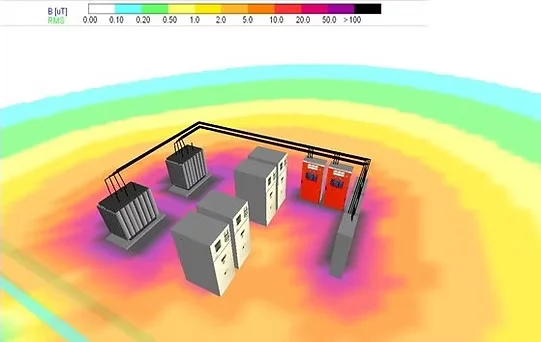
A predictive radiation survey is an advanced EMF modeling and measurement process used to forecast the electromagnetic exposure levels around power transmission infrastructure. Instead of waiting for issues to appear, this proactive approach predicts radiation intensity using data from power line configurations, load capacity, distance, and environmental factors.
By applying computational simulations and field validation, engineers can estimate EMF radiation levels with high precision and take corrective actions early.
Why is It Important Near Power Lines?
Power lines, especially those carrying high voltage (110 kV and above), generate strong electromagnetic fields. Prolonged exposure to high EMF levels may lead to:
Interference with electronic or medical devices
Discomfort or anxiety among residents
Reduced property value near high-voltage corridors
Potential health concerns from long-term exposure
A predictive survey helps prevent these issues by mapping EMF hotspots and guiding safe design layouts, shielding installations, or zoning regulations.
You may also view these ads:
