Triple Screen Portable LCD Backlit Monitor: The Ultimate FHD SubScreen Extender Connected with Just One Cable
valid until: 19 Apr 2027date published: 19 Apr 2026Let’s face it: laptop screens were never designed for serious multitasking. Whether you’re juggling complex spreadsheets, debugging code, editing video timelines, or tracking live financial data, squinting at a cramped 13- or 15-inch display quickly becomes a productivity bottleneck. Enter the triple screen portable LCD backlit monitor—a sleek, FHD display that transforms your notebook into a full-fledged command center using just one cable. If you’ve been searching for a secondary screen extender that doesn’t sacrifice portability, picture quality, or sanity, you’ve just found your match. In this post, we’ll break down why this compact display solution is quietly becoming the must-have accessory for remote professionals, digital nomads, and power users worldwide.
What Exactly Is It?
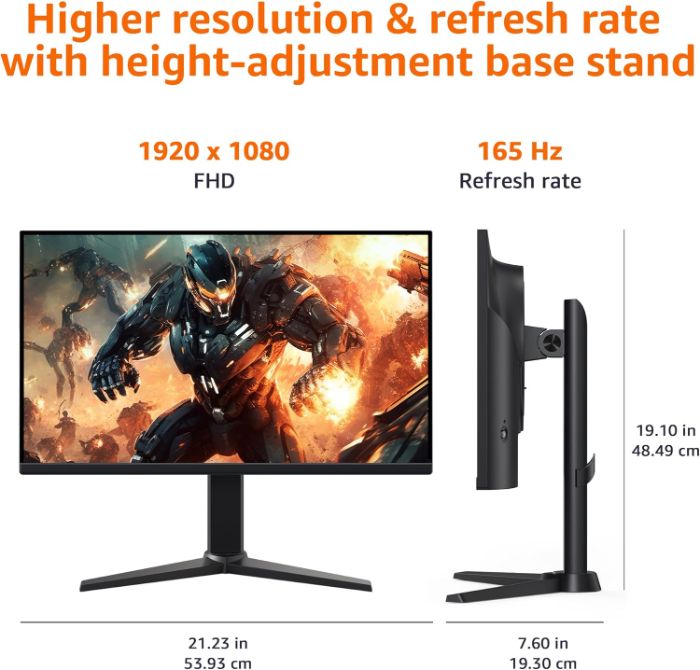
At first glance, the product name might sound like a jargon-heavy tech spec sheet, but the underlying concept is remarkably straightforward. This device is a lightweight, travel-ready monitor that attaches to or sits beside your laptop, effectively giving you a triple-screen workspace without the bulk of traditional desktop monitors. The “LCD backlit” designation refers to its modern LED backlighting system, which delivers consistent brightness, rich contrast, and energy efficiency. “FHD” guarantees a native 1920x1080 resolution, sharp enough for crisp text rendering and accurate color representation. The “sub screen extender” label simply describes its core function: it mirrors or extends your laptop’s display, creating a seamless multi-monitor environment. And perhaps the most compelling feature? It connects to your notebook using a single cable—typically USB-C—eliminating the tangled mess of power bricks, HDMI adapters, and bulky docking stations that plague conventional setups.
Key Features & Benefits
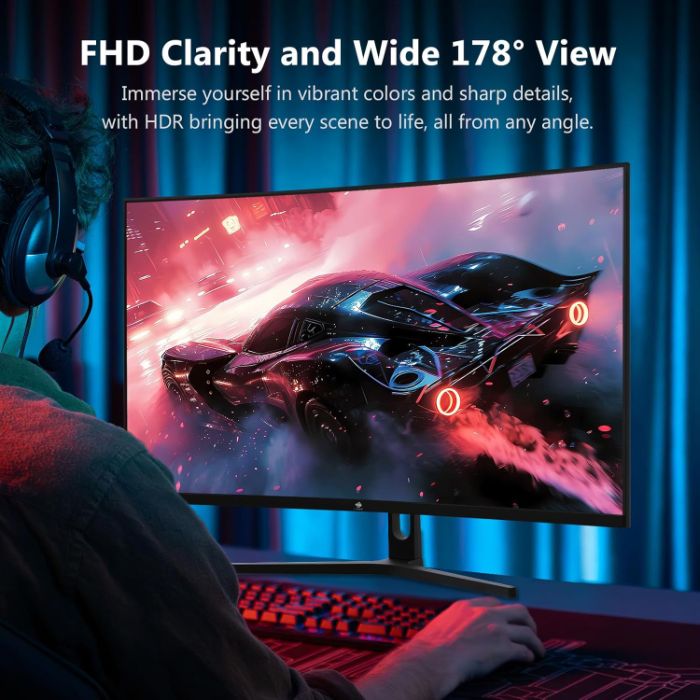
What truly sets this portable extender apart in a crowded market of secondary displays? First, the FHD resolution delivers text clarity and visual precision that rival many stationary office monitors. Whether you’re reviewing high-resolution photography, drafting long-form documents, or monitoring real-time trading charts, every pixel matters. The backlit LCD panel ensures uniform illumination across the entire screen, while many models incorporate anti-glare or matte coatings that make them perfectly usable in sunlit cafés, airport lounges, or dimly lit home offices.
Portability is where this device truly excels. Most iterations weigh under two pounds, feature slim bezels, and fold or slide neatly into a standard laptop sleeve. But the real game-changer is the single-cable architecture. Modern USB-C ports are engineered to handle power delivery, high-speed data, and DisplayPort video transmission simultaneously. That means you plug in once, and your operating system instantly recognizes an extended desktop. No driver installations, no complicated routing, just true plug-and-play functionality across Windows, macOS, and select Linux distributions.
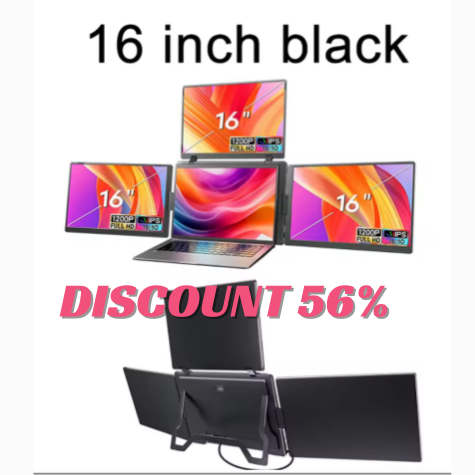
The “triple screen” capability deserves special mention. While the hardware itself is a single panel, it’s designed to integrate seamlessly with your laptop’s native display and, if desired, a second extender unit. This spatial flexibility allows you to design highly customized workflows: keep your primary workspace on the laptop, house reference materials on the first extender, and dedicate the second to communication tools, music players, or system monitors. The result? Drastically reduced window-switching fatigue and a more focused, ergonomic workflow.
Who Actually Needs This?
While it might initially sound like a niche gadget for tech enthusiasts, the audience for a portable multi-screen extender is surprisingly diverse. Remote workers and digital nomads benefit immensely, as coworking spaces and hotel desks rarely come equipped with dual-monitor setups. Financial traders rely on simultaneous visibility across multiple data feeds, and this extender lets them track charts, news tickers, and execution platforms without constantly alt-tabbing. Software developers can keep their integrated development environment open on one screen, official documentation on another, and a terminal or debugging console on the third. Video editors and graphic designers appreciate the expanded real estate for asset libraries, preview windows, and timeline scrubbing. Even university students juggling research papers, note-taking applications, and recorded lectures will notice an immediate improvement in study efficiency and information retention.
Setup & Everyday Usability
Historically, the biggest friction point with secondary monitors has been the setup process. This extender removes that barrier entirely. Unbox it, connect the single USB-C cable to a compatible port on your laptop, and your OS automatically detects the new display. From there, navigate to your display settings to choose between mirroring, extending, or setting it as your primary or secondary monitor. Most models include a built-in aluminum kickstand, magnetic attachment rails, or folio-style covers that double as adjustable viewing stands, ensuring stable positioning at eye level. Touch-enabled variants exist for those who prefer direct interaction, though the standard non-touch version remains the most popular due to its reliability, lower power consumption, and reduced accidental input.
Compatibility is another strong suit. As long as your laptop supports DisplayPort Alt Mode over USB-C—a standard feature on virtually all devices manufactured after 2020—you’re ready to go. For older notebooks equipped only with HDMI or USB-A ports, affordable, reliable adapters bridge the gap without compromising signal quality or refresh rates. The single-cable design also means you aren’t aggressively draining your laptop’s battery; many units intelligently negotiate power draw directly from the host machine while maintaining full display functionality.
Why It’s a Game-Changer for Modern Work
Research consistently shows that dual or triple monitor setups can boost productivity by 20% to 30% by minimizing context-switching and reducing workflow interruptions. Traditionally, that efficiency boost was anchored to a fixed desk. This portable FHD extender democratizes multi-screen performance, proving that you don’t need a stationary workstation to work like a professional. As hybrid work models solidify and expectations for on-the-go productivity continue to rise, accessories that expand screen real estate without adding weight, complexity, or cable clutter will only become more essential.
Final Thoughts
The triple screen portable LCD backlit monitor isn’t just another peripheral—it’s a workflow revolution packaged in a slim, single-cable design. With FHD clarity, effortless connectivity, and genuine travel-ready portability, it transforms any standard notebook into a highly efficient multi-display workstation. If you’re exhausted from juggling overlapping windows, sacrificing productivity for mobility, or working around the limitations of a single screen, it’s time to extend your display and elevate your output. Your future, more efficient self will thank you.
You may also view these ads: